Contents
Plans for Expansion and Enhanced Facilities
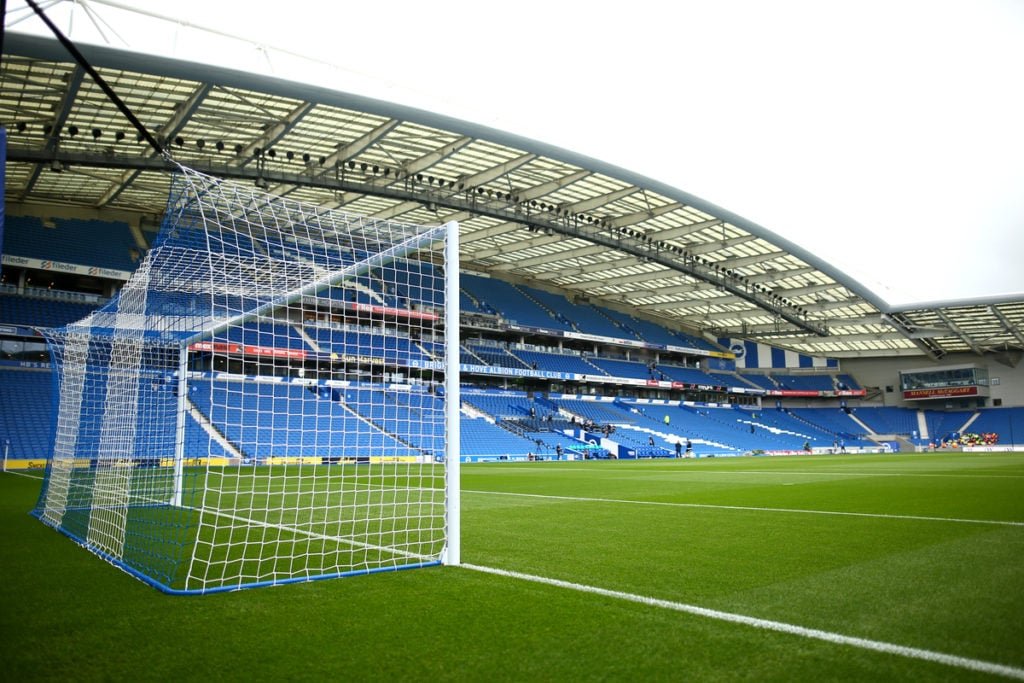
Brighton & Hove Albion are making headlines with their ambitious plans to invest £40 million in upgrades to the Amex Stadium. This significant financial commitment is aimed at increasing the club’s revenue streams and enhancing the matchday experience for fans.
According to finance expert Stefan Borson, the development may include new hospitality areas within the stadium, which could cater to a growing demand for premium experiences during matches. The club recently announced plans to relocate away fans, a move that is part of the broader development strategy.
Capacity Increase: More Seats, More Fans
As part of the redevelopment, Brighton will increase the stadium’s capacity by 800 seats, bringing the total to 32,500. This expansion is seen as a vital step in accommodating more supporters and generating additional revenue during matchdays.
Moreover, the club is set to introduce a new fan zone outside the stadium, designed to hold up to 3,000 people. This area is expected to open in spring this year and aims to create a vibrant atmosphere on match days, allowing fans to gather and enjoy pre-game festivities.
Record Revenue: A Financial Overview
Brighton recently posted a club-record revenue of £204 million for the 2022-23 season, showcasing their financial growth and the increasing popularity of the club. However, Borson has raised questions about the rationale behind the substantial £40 million investment for the addition of just 800 seats.
Expert Opinions: Are the Numbers Justified?
Borson expressed skepticism about the figures associated with the stadium development, stating, “I think there is something wrong with the numbers on that story.” He believes that spending such a large sum for a relatively modest increase in capacity seems disproportionate.
He speculated that the fan zone could incorporate significant corporate hospitality elements, which might justify part of the investment. “Maybe the 800 seats are the equivalent of box seats,” he suggested, indicating that the club may be looking to enhance the premium experience for fans willing to pay more for exclusive access.
Looking Beyond Match Days
While the fan zone is intended to create an engaging environment, Borson pointed out that its success might be limited outside of match days. He noted, “I don’t think anybody is going to Brighton’s stadium to go to the fan zone outside of a matchday.” This raises questions about the long-term viability of generating revenue from the fan zone when there are no matches scheduled.
In contrast, he highlighted how similar concepts have thrived in other cities, such as Newcastle, where hospitality and casual dining outside of match days have proven successful. This suggests that Brighton may need to rethink their strategy if they want to achieve similar results.
Future Prospects: Investment in Hospitality
As clubs across the Premier League look to maximise their revenue opportunities, Brighton’s investment in stadium upgrades reflects a broader trend. Many clubs are exploring developments that cater to both matchday and non-matchday audiences, aiming to diversify their income streams.
Ultimately, the success of Brighton’s £40 million investment will depend on how well they can integrate these new facilities into the overall fan experience and whether they can attract supporters to utilise the fan zone beyond match days.
The Road Ahead: Challenges and Opportunities
Brighton’s plans for the Amex Stadium represent a bold step forward, but they also come with challenges. As the club navigates the complexities of stadium development and fan engagement, the focus will be on creating a sustainable model that benefits both the club and its supporters.
As Brighton continues to evolve, fans and experts alike will be watching closely to see how these ambitious plans unfold and what impact they have on the club’s financial future.
Did you miss our previous article…
https://3pointsforawin.com/jamie-carragher-warns-ruben-amorim-dont-follow-graham-potters-path/