Contents
Trincao’s Tumble Raises Eyebrows
In a match that saw Sporting CP deliver a stunning 4-1 defeat to Manchester City, the spotlight has shifted to a contentious penalty decision involving Francisco Trincao. Keith Hackett, a former FIFA and Premier League referee, has weighed in on the incident, suggesting that Trincao’s fall was exaggerated and should not have resulted in a penalty kick.
Penalty or Simulation? The Debate Unfolds
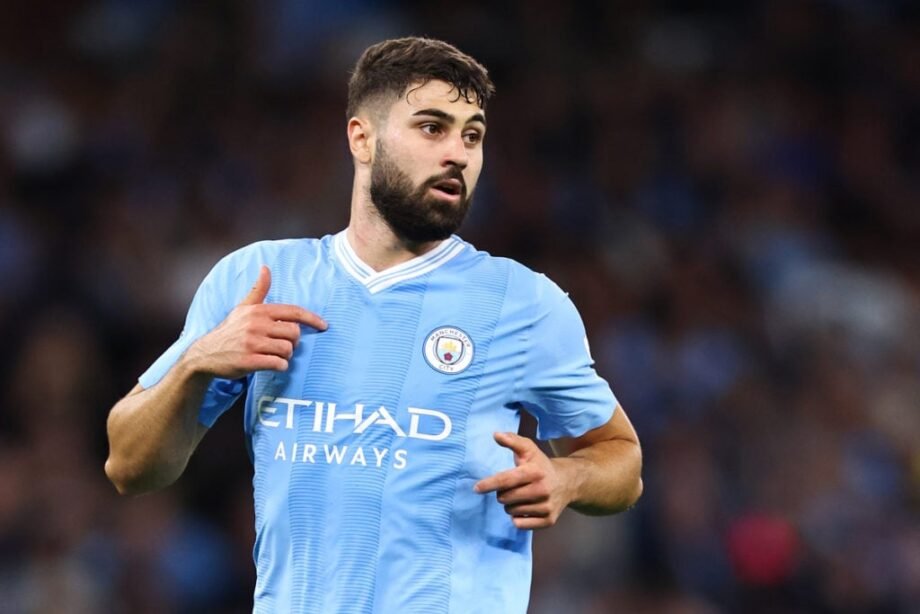
The incident occurred when Trincao was adjudged to have been fouled by City defender Josko Gvardiol. As the Sporting winger made his way into the penalty area, he went down after what was described as slight contact. This decision allowed Viktor Gyokeres to step up and convert the penalty, marking his second goal of the evening.
Hackett, however, is not convinced that the penalty was warranted. Speaking exclusively to Football Insider, he expressed his belief that the contact was minimal and that Trincao’s actions were more about simulation than a genuine foul. “What you have here is what happens in the modern game,” Hackett noted. “The attacking player, with the ball in front of him, runs across the defender. Under slight contact, he’s gone down.”
Referees Under Scrutiny
Hackett’s comments highlight a growing concern among football pundits regarding the standards of officiating in the top leagues. He argues that referees need to be more discerning in these situations, particularly when it comes to players who may be looking to draw fouls. “It’s manufactured by the attacker,” he stated, urging referees to be “cuter” in their decision-making.
City’s Struggles Continue
The penalty decision is just one aspect of a match that reflected Manchester City’s ongoing struggles. Pep Guardiola’s side has faced criticism for their recent performances, and this defeat only adds to the mounting pressure. The team, which has been a dominant force in the Premier League, now finds itself grappling with inconsistency and a lack of form.
Trincao’s Impact on the Game
Despite the controversy surrounding the penalty, Trincao’s contribution to the match was significant. His ability to draw fouls and create scoring opportunities for his teammates has made him a key player for Sporting CP. The Portuguese winger’s performance against City will likely be remembered not only for the penalty incident but also for his overall impact in a crucial victory.
The Bigger Picture: Modern Football’s Challenges
This incident raises broader questions about the nature of modern football, where players often find themselves walking a fine line between drawing fouls and simulating contact. As the game evolves, the role of referees becomes increasingly vital, and their decisions can have lasting implications for teams and players alike.
As fans and analysts continue to debate the merits of the penalty awarded to Sporting CP, one thing is clear: the conversation around officiating and player behaviour is far from over. With more matches on the horizon, the stakes are high, and every decision will be scrutinised as teams vie for crucial points in their respective leagues.
Looking Ahead: What This Means for City
For Manchester City, the focus will undoubtedly shift to addressing the issues that have plagued their performances. With the pressure mounting, Guardiola will need to rally his squad and find a way to return to winning ways. Meanwhile, the debate around Trincao’s penalty will serve as a reminder of the fine margins that can define a match and the ongoing challenges within the sport.
As the footballing world watches closely, the implications of this incident may resonate well beyond the pitch, influencing discussions about fairness, integrity, and the future of officiating in the beautiful game.