Contents
Back to Qatar: A Missed Opportunity for Solidarity
Two years ago, the World Cup in Qatar was a defining moment for football’s relationship with social issues. The Football Association (FA) and England captain Harry Kane pledged to wear a rainbow armband in support of the LGBTQ+ community, a symbolic gesture against a backdrop of a nation that criminalises homosexuality. Six other western European nations joined this stand, only to backtrack when FIFA threatened to issue bookings for what they deemed a ‘political’ statement. The FA and their allies quickly performed a U-turn, revealing a troubling pattern of virtue signalling without meaningful action.
Absurd Double Standards in Football
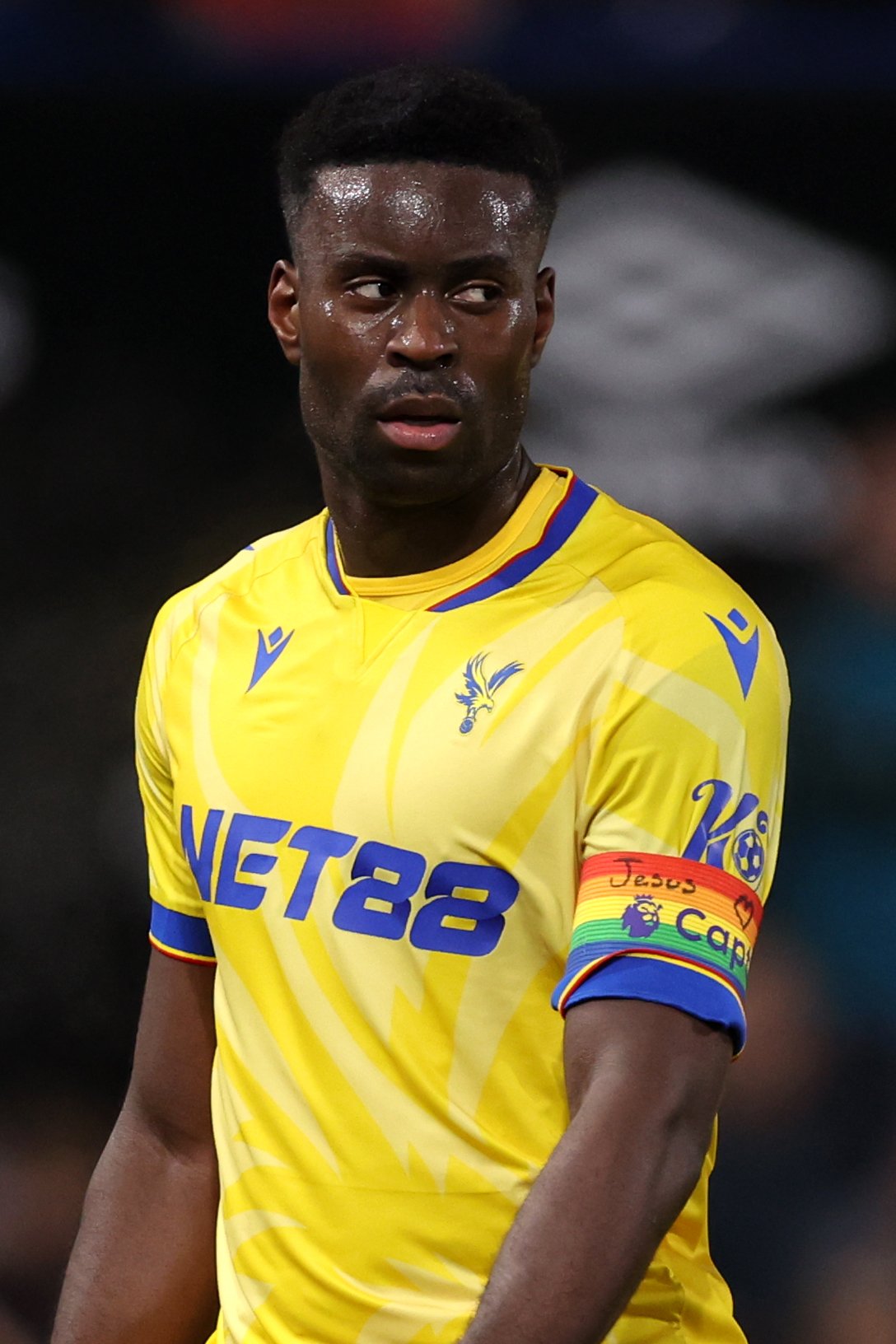
Fast forward to today, and the FA has once again found itself in a tangled web of contradictions. Recently, Ipswich captain Sam Morsy, a practising Muslim, was allowed to abstain from wearing a rainbow armband, while Crystal Palace’s Marc Guehi faced reprimand for inscribing his armband with the words “I love Jesus” and “Jesus Loves You.” This inconsistency raises questions about the FA’s commitment to inclusivity. What message does it send when one player’s religious expression is accepted, while another’s is penalised?
The Irony of Sponsorships and Values
English football’s hypocrisy extends beyond armbands. The FA has been vocal about its stance against the World Cup in Qatar, yet it seems to turn a blind eye to clubs like Newcastle, funded by the Saudi regime, which is notorious for its treatment of women and LGBTQ+ individuals. Similarly, Manchester City enjoys financial backing from the Abu Dhabi government, which raises similar ethical concerns. The irony is palpable: clubs are willing to accept money from regimes that do not share the values they profess to support.
Religious Beliefs vs. Inclusivity: A Balancing Act
As the debate unfolds, it’s crucial to acknowledge the rights of players like Guehi, Morsy, and Noussair Mazraoui to express their religious beliefs. While I personally feel that organised religion can often do more harm than good, I recognise that faith is an intrinsic part of many people’s lives. The principle behind the rainbow campaign is fundamentally sound: everyone should be free to love whom they choose without fear of discrimination. Yet, the lack of openly gay footballers in the Premier League suggests that more work is needed to create an inclusive environment.
Gestures or Genuine Change? The Need for Authenticity
The FA’s half-hearted attempts at inclusivity often come across as superficial. The recent incidents involving Guehi and Morsy only serve to reinforce the belief that the FA is more interested in appearing ‘woke’ than in fostering genuine change. Football fans have witnessed a myriad of gestures, from minute silences for deceased players to tributes for victims of wars, but these moments often feel hollow. The presence of military personnel at England matches raises eyebrows, especially when the opposition is a nation like Ireland, which has its own complex history with British military presence.
Finding a Safe Space in Football
As we navigate this moral maze of gesture politics in football, it becomes increasingly clear that the sport should serve as a sanctuary away from the divisive issues of politics, religion, and military influence. In an era of heightened tensions and divisions, football ought to be a place where everyone feels welcome, regardless of their beliefs or backgrounds.
The Path Forward: Authenticity Over Performative Actions
Ultimately, the FA and English football must strive for authenticity in their approach to inclusivity. It’s not enough to make grand gestures; real change requires a commitment to addressing the underlying issues that prevent LGBTQ+ individuals and other marginalised groups from feeling safe and accepted in the sport. Until that happens, football will continue to grapple with its identity and its role in society.