Contents
Red Card Controversy: A Turning Point in the Match
In a stunning display of football, England thrashed Ireland 5-0 on Sunday, but the match has sparked debate over a contentious red card decision that many believe changed the game’s trajectory. Keith Hackett, a former chief of the Professional Game Match Officials Limited (PGMOL), voiced his concerns over the sending-off of Ireland’s Liam Scales, describing it as “harsh” and “really cheap.”
Scales’ Sending-Off: A Costly Mistake?
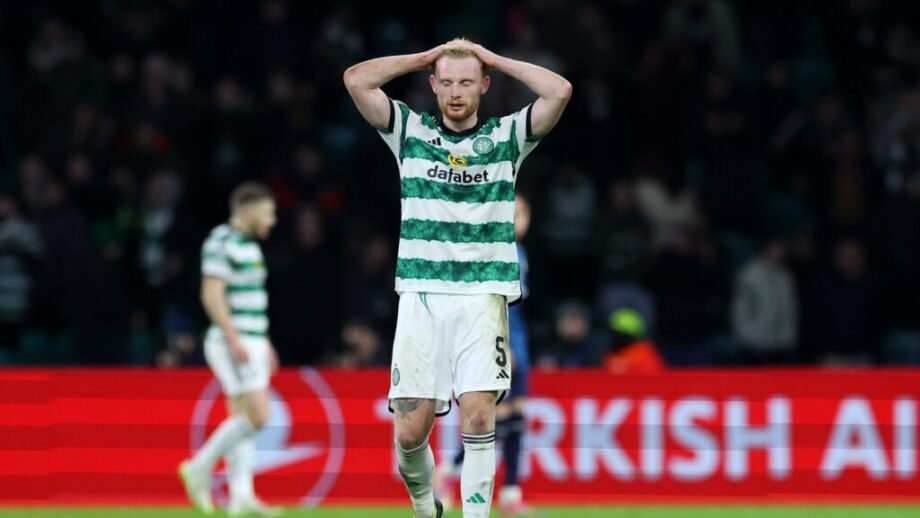
The incident unfolded in the first half when Scales was shown a second yellow card for a foul on England’s Jude Bellingham inside the penalty area. This decision not only resulted in a penalty for England but also left Ireland with ten men for the remainder of the match. Harry Kane confidently converted the penalty, setting the tone for a dominant performance by the Three Lions.
Hackett, speaking exclusively to Football Insider, expressed his belief that the referee’s decision to issue a second yellow card was unwarranted. He argued that the challenge was more careless than reckless, suggesting that a penalty alone would have sufficed. “There are covering defenders,” he stated, emphasising that Scales did not deny a clear goalscoring opportunity.
Refereeing Standards Under Scrutiny
Hackett’s comments highlight a broader discussion about the standards of officiating in high-stakes matches. He pointed out that referees should consider a more lenient approach when it comes to second yellow cards. “I always advise referees to go more towards orange for the second yellow card,” he remarked. His stance suggests a need for consistency in refereeing, particularly in crucial moments that can alter the outcome of a game.
Impact of the Decision on the Game
The ramifications of Scales’ red card were clear as England seized the opportunity to dominate the match. Following the penalty, the Three Lions capitalised on their numerical advantage, scoring four more goals and leaving Ireland with little chance of recovery. Hackett’s critique raises questions about the fairness of such pivotal decisions in football and their impact on teams’ performances.
Referee’s Interpretation: A Matter of Perspective
While Hackett acknowledged the penalty awarded to England was justified, he maintained that the referee’s strict interpretation of the rules led to an unfair disadvantage for Ireland. “The player was unlucky he had a referee who was consistent and strict in his interpretation of the law,” he noted. This commentary reflects a common frustration among fans and analysts alike who feel that officiating can sometimes overshadow the players’ performances on the pitch.
Looking Ahead: What This Means for Ireland
As Ireland reflects on this defeat, the focus may shift to how they can recover from such a heavy loss and address the issues that led to the red card. The team will need to regroup and prepare for future matches with a renewed sense of determination. Meanwhile, Hackett’s insights serve as a reminder of the critical role that referees play in shaping the outcomes of games, and the ongoing need for dialogue about officiating standards in football.
In Other News: Jack Grealish Bids Farewell
In related football news, Manchester City star Jack Grealish has made headlines with a heartfelt farewell message, expressing his sentiments towards his manager and the club. As the football world continues to turn, fans will be keen to see how these developments unfold in the coming weeks.
As the dust settles from this controversial match, one thing is clear: the conversation around officiating in football is far from over, and the stakes remain high for teams and referees alike.
Did you miss our previous article…
https://3pointsforawin.com/nottingham-forest-stands-firm-no-january-sale-for-star-defender-murillo/