Contents
Transformative Riches: A Double-Edged Sword
The influx of Gulf State money has undeniably altered the landscape of the Premier League. Clubs like Manchester City and Newcastle United have experienced significant financial backing, yet the immediate results on the pitch have not dazzled fans as one might expect. As the season progresses, the question remains: will these riches continue to shape the league’s future effectively?
Manchester City: A Season of Disappointment?
Despite their financial clout, Manchester City has not set the world alight this season. Under the guidance of Pep Guardiola, the team has faced a series of underwhelming performances that have left fans scratching their heads. The expectation is that City will soon find their rhythm, but for now, the team’s mid-table position is far from acceptable.
Newcastle: Striving for Stability
Newcastle United, another club benefiting from Gulf State investment, finds itself in a similar predicament. Currently hovering close to Manchester City in the mid-table, manager Eddie Howe and his squad must consider this position a modest success. However, the ambitions of the Toon Army are undoubtedly higher, and fans are eager for a return to the club’s glory days.
Ethics of Ownership: A Heated Debate
The financial backing of these clubs has sparked a heated debate regarding the ethics of ownership in football. A Parliamentary Bill addressing the issue is currently in the works, with discussions taking place in the House of Lords. Lord Scriven raised a poignant question: should a football club be funded by a state that enforces harsh penalties for homosexuality? Such inquiries highlight the moral complexities surrounding the ownership of clubs by Gulf states.
Waiting for Answers: A Slow Response from Officials
Despite the pressing nature of these questions, responses from government officials have been sluggish. The Culture Secretary, Lisa Nandy, has taken five months to reply to Premier League clubs regarding the Bill, leaving many wondering when clarity will come. As the debate continues, it’s clear that the intersection of sport and ethics is far from resolved.
World Cup Controversies: A Broader Perspective
The influence of Gulf State funding extends beyond club football and into international tournaments. The upcoming 2034 Saudi World Cup has already raised eyebrows, especially in light of the controversy surrounding the 2022 Qatar World Cup, where reports indicated that hundreds of workers lost their lives during stadium construction. Critics argue that the lack of scrutiny over such events reflects a troubling trend in how these nations manage international sporting events.
A FIFA President Under Fire
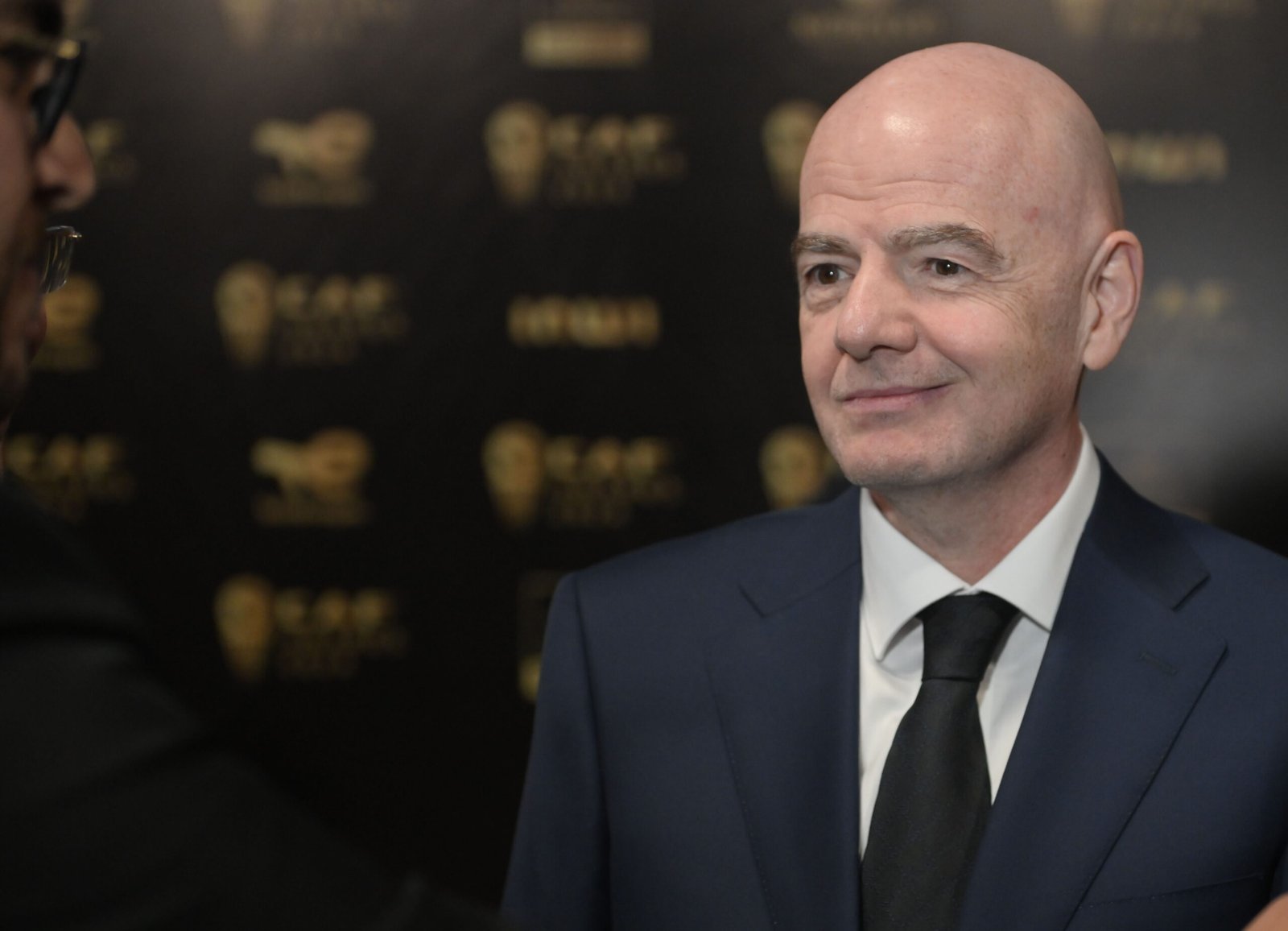
FIFA President Gianni Infantino’s comments and actions have also drawn criticism, particularly regarding his approach to issues of human rights and gender equality. His controversial statements, including a bizarre claim of feeling “gay, African, and disabled,” seem to trivialize serious concerns about discrimination faced by marginalized groups in host countries. As Amnesty International highlights ongoing discrimination against women in these regions, it becomes increasingly clear that the leadership within FIFA is not prioritising these issues.
Financial Dynamics: Who Really Benefits?
While the Premier League has rules governing transfer spending, the influx of foreign investment remains a hot topic. With nearly half of the league’s clubs controlled by American investors, alongside owners from various countries, the dynamics of ownership are complex. However, the presence of Gulf state royalty as owners raises questions about the motivations and implications of such investments.

The Future of Football: What Lies Ahead?
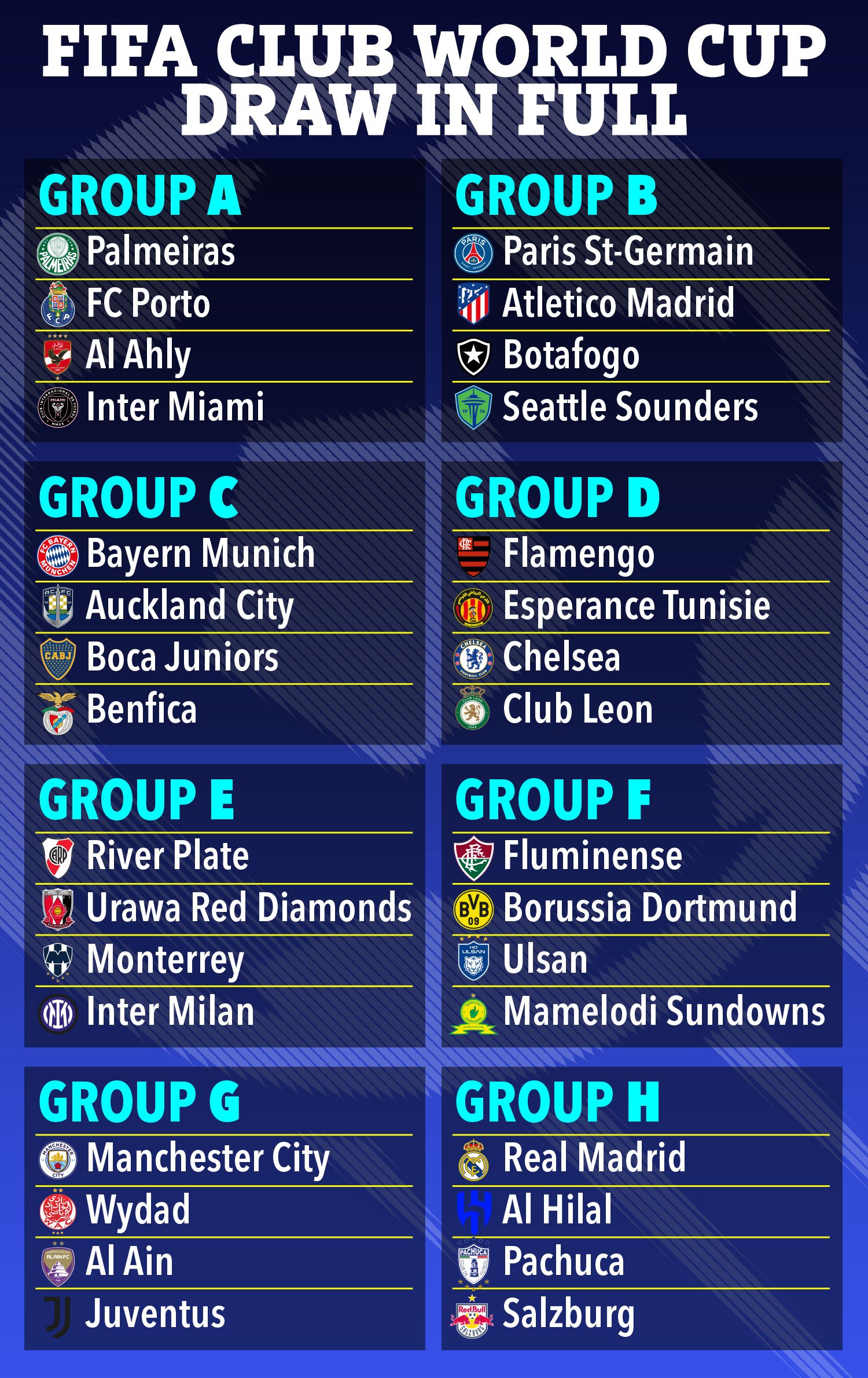
As the Premier League navigates the challenges posed by foreign investment, the role of governance and ethical considerations will be paramount. With the new Club World Cup set to take place in the US next summer, featuring teams like Chelsea and Manchester City, fans will be watching closely. The coming year promises to be pivotal, not just for the clubs involved, but for the broader conversation about the future of football and its values.